
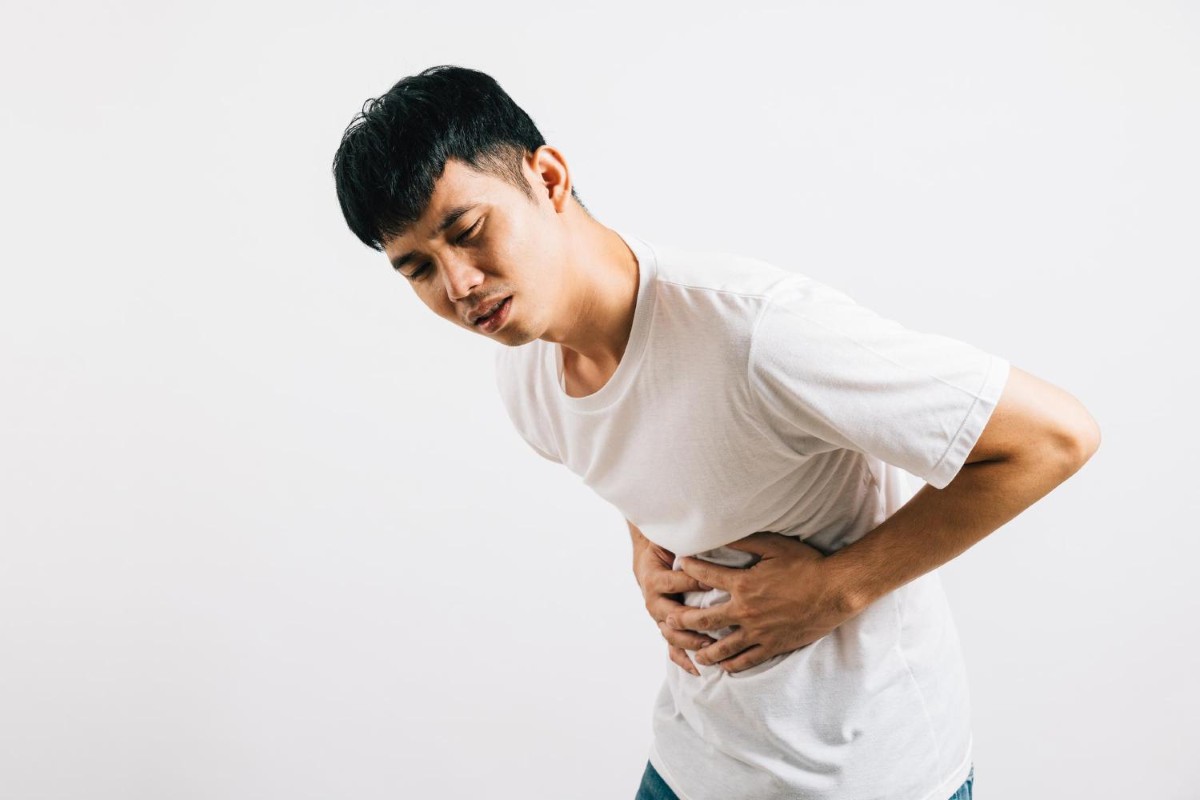
Upper abdominal discomfort after a meal is something almost everyone experiences from time to time. Many people assume it is simply gastric pain and reach for an antacid. In some cases, however, the discomfort may be traced back to gallstones rather than the stomach.
Gallstones and gastric pain can feel remarkably similar because the stomach and the gallbladder send pain signals to the brain through some of the same nerves. So pain that actually starts in the gallbladder can feel like ordinary stomach pain, even though the stomach itself is fine. This is one reason gallstone disease is sometimes mistaken for a stomach problem, and why symptoms may persist even after gastric medication has been tried.
This article looks at how gallstones and gastric pain may generally be told apart, based on where the pain is felt, how it behaves and what tends to trigger it. It is intended as general information and is not a substitute for a proper medical assessment.
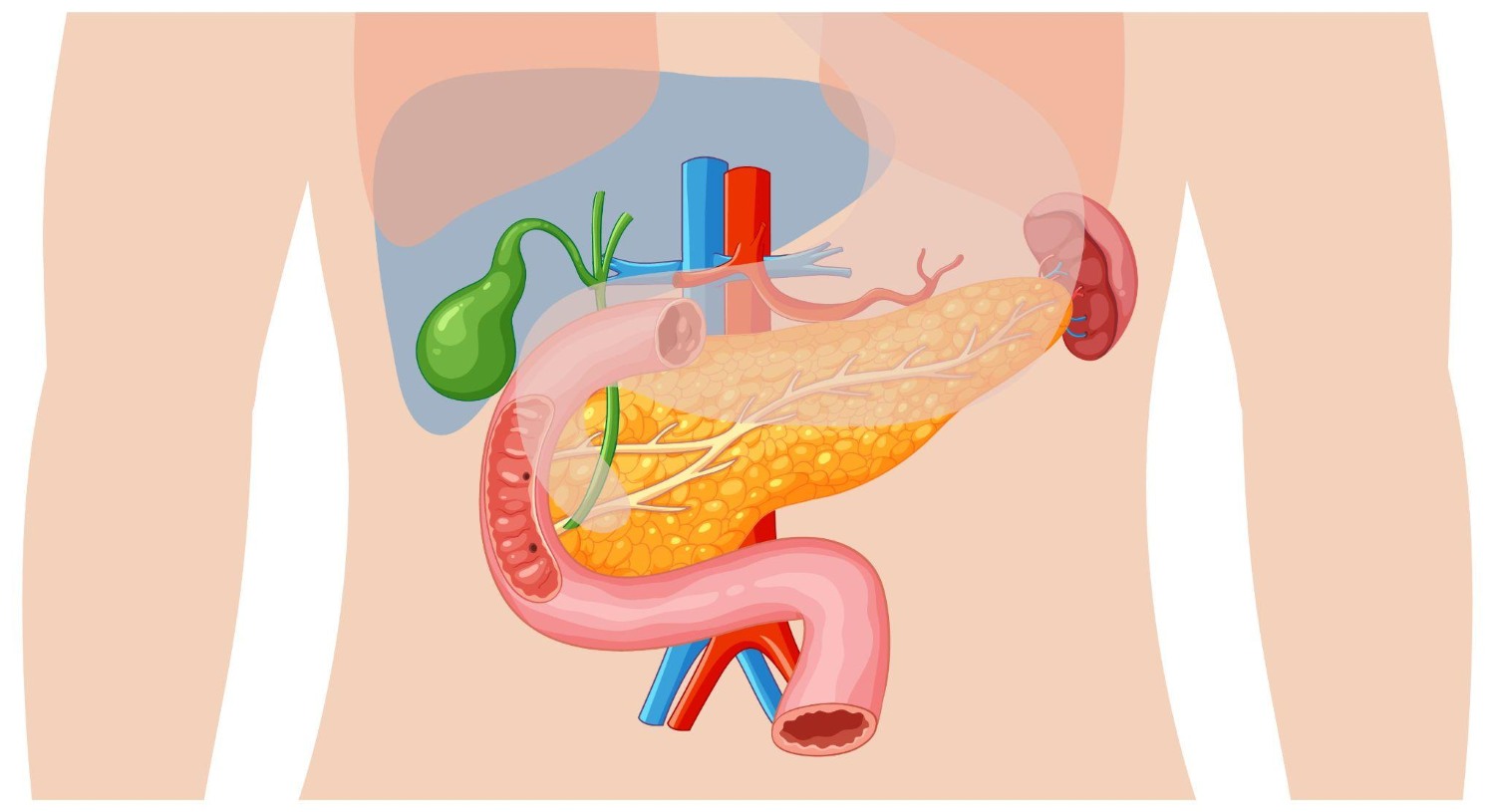
Gastric pain generally refers to discomfort in the upper abdomen that is often associated with indigestion. It may present as:
In many cases, gastric pain is related to factors such as diet, stress or irregular eating patterns. When tests do not identify a clear structural cause, doctors may describe it as functional dyspepsia.
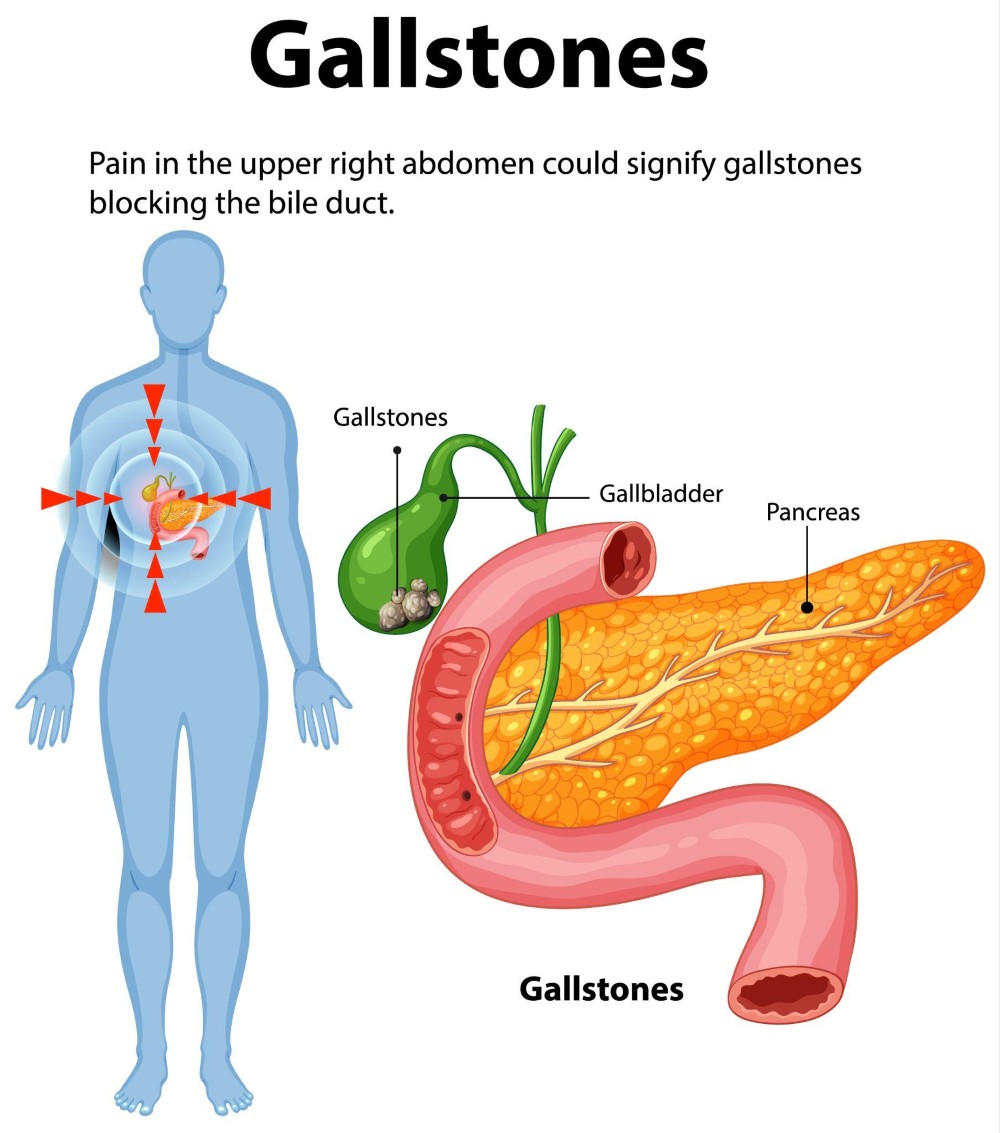
Gallstones are hard, pebble-like deposits that can form in the gallbladder, a small organ located beneath the liver that stores bile to help digest fats. They may range from as small as a grain of sand to several centimetres across, and a person may have one or several stones at the same time.
Many people with gallstones do not experience any symptoms at all. Symptoms tend to appear when a stone blocks the flow of bile, which may lead to:
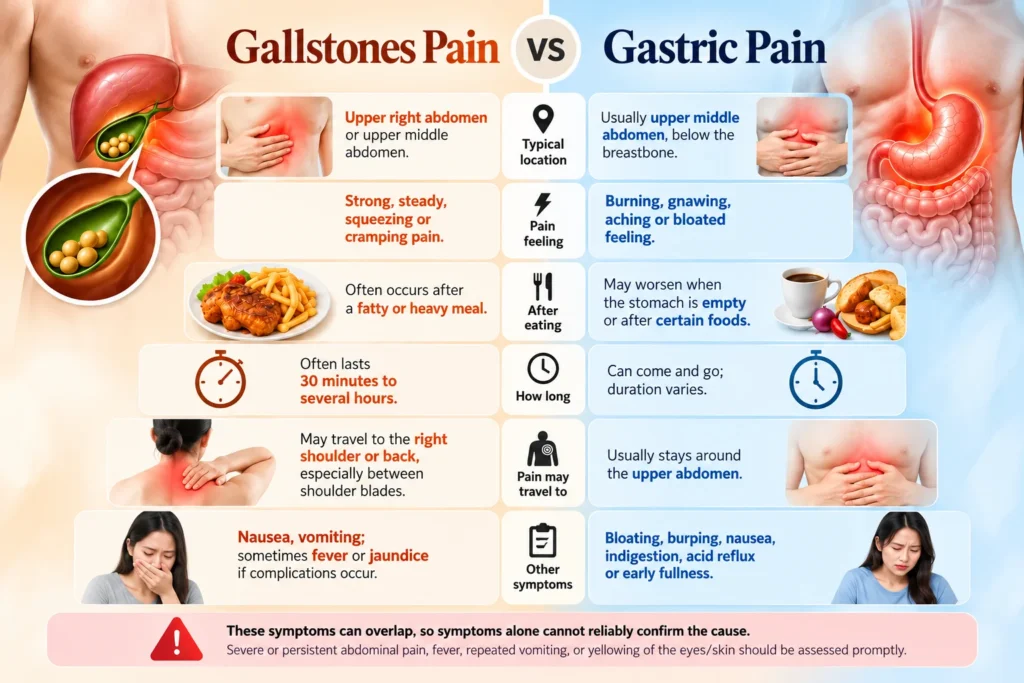
| Feature | Gallstones | Gastric Pain |
| Typical location | Upper right or central abdomen, may spread to back or shoulder | Upper central abdomen |
| Response to antacids | Usually does not improve | May improve |
| Relation to food | Often triggered by fatty or heavy meals | Often linked to specific foods or empty stomach |
| Duration | May persist for thirty minutes to several hours | Comes and goes, often briefly |
| Associated symptoms | Nausea, vomiting, occasionally fever or jaundice | Bloating, burping |
These are general patterns rather than fixed rules. Symptoms can overlap, and the only reliable way to know what is causing abdominal pain is through a proper clinical evaluation where an abdominal ultrasound may be performed.
The stomach and the gallbladder are both located in the upper abdomen and share overlapping nerve pathways. This means pain signals from the gallbladder can be interpreted by the brain in a similar way to pain from the stomach, which is why gallstone disease is frequently mistaken for gastritis or indigestion in the first instance.
It is fairly common for a person to be treated for presumed gastric symptoms without improvement, until an abdominal ultrasound scan reveals that gallstones were the underlying cause
A popular claim online suggests that drinking diluted apple cider vinegar can dissolve gallstones naturally. This is not supported by scientific evidence. Gallstones are solid, tightly bound deposits, and vinegar consumed orally does not reach the gallbladder in a form or concentration that could break them down.
There is also a possible downside to consider. Apple cider vinegar is acidic, and drinking it regularly may irritate the stomach lining or worsen symptoms in someone who already has gastric discomfort, which could make it harder to tell whether the underlying issue is gastric pain or gallstones in the first place.
Perhaps the bigger concern is delay. Relying on a home remedy without evidence behind it may lead someone to put off a proper medical evaluation, and symptomatic gallstones left unaddressed can occasionally lead to complications.
It may be worth arranging a medical assessment if any of the following apply:
An ultrasound scan is generally the first step used to check for gallstones, as it can usually identify stones in the gallbladder in a straightforward and non-invasive manner.
If gastric pain is confirmed, management often involves dietary adjustment, lifestyle changes and, where appropriate, medication under medical guidance.
If gallstones are found to be symptomatic, the usual recommended approach is surgical removal of the gallbladder, most commonly through laparoscopic or keyhole surgery. This is a commonly performed procedure. As every patient's condition is different, suitability for surgery and possible risks should be discussed individually with a surgeon beforehand.
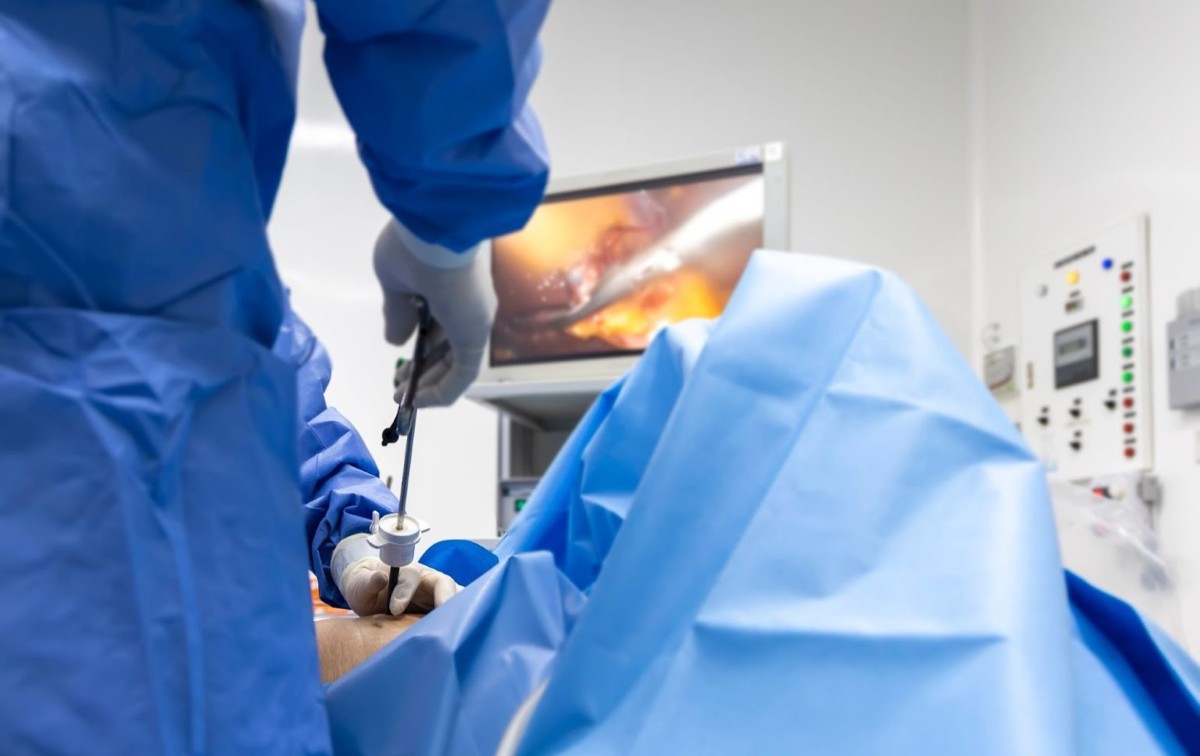
Laparoscopic gallbladder removal is generally carried out through a few small incisions in the abdomen, rather than a single larger cut. A camera and specialised instruments are used to remove the gallbladder, which is why this approach is often described as minimally invasive. Compared to open surgery, it is generally associated with a shorter hospital stay and a quicker return to daily activities for many patients, though individual recovery can vary.
In certain situations, such as when there is significant scarring, inflammation or other complicating factors, a surgeon may recommend open surgery instead, which involves a single larger incision. This decision is generally made based on a patient's specific condition and imaging findings, rather than being the default approach.
Most patients are able to go home within a day or two after laparoscopic surgery, and normal activities can usually be resumed gradually over the following one to two weeks, depending on the individual and the nature of their work. A surgeon will typically advise on wound care, activity restrictions and follow up appointments based on how recovery is progressing.
Yes. Gallstones and gastric pain can feel similar because of overlapping nerve pathways in the upper abdomen. An ultrasound scan is generally needed to tell them apart with confidence.
Generally, gallstone related pain does not improve significantly with antacids, whereas gastric pain may ease somewhat. This is only a general pattern and should not be relied on for self diagnosis.
Fatty or heavy meals are commonly reported triggers, since these foods prompt the gallbladder to contract and release bile.
Not always. Some people have gallstones without ever developing symptoms. However, if pain is severe, persistent or accompanied by fever or jaundice, prompt medical attention is advised.
Based on Ministry of Health fee benchmarks, the surgeon's fee for laparoscopic gallbladder removal generally ranges from S$6,000 to S$8,400 for elective surgery, or S$6,200 to S$9,600 if performed urgently for acute cholecystitis. This covers the surgeon's fee only and does not include hospital charges, anaesthetist fees or consumables, which vary depending on hospital and ward class. Medisave and insurance coverage may apply depending on individual policies. A personalised, itemised quotation is generally provided after consultation with the surgeon.
Gastric pain and gallstones can present in overlapping ways, which makes self diagnosis unreliable. If discomfort in the upper abdomen persists, does not respond to usual measures, or is accompanied by symptoms such as fever or vomiting, it is advisable to have this assessed by a doctor. An ultrasound scan can generally clarify whether gallstones are present and guide the appropriate next steps.
Consult Dr Reyaz Singaporewalla
If you have ongoing upper abdominal discomfort and are unsure whether it may be gastric pain or gallstones, Dr Reyaz Singaporewalla, Senior Consultant Endocrine and General Surgeon at Ace Specialist Surgery & Endoscopy Centre, generally recommends having it properly assessed rather than self-managing for an extended period.
Copyright © ACE Specialist Surgery & Endoscopy | Terms & Conditions